

Key Takeaways
- Anxiety in older adults can show up as persistent worry, repeated questions, restlessness, sleep changes, or pulling back from familiar plans.
- A calm voice and honest acknowledgment can work better than repeatedly trying to reason away a worry.
- Simple choices and grounding techniques can give an anxious person something manageable to focus on.
- Familiar routines, movement, social connection, and consistent sleep habits can support calmer days.
- Small, practical responses can help families make anxious moments feel less overwhelming.
What Helps Someone Feel Calm Again
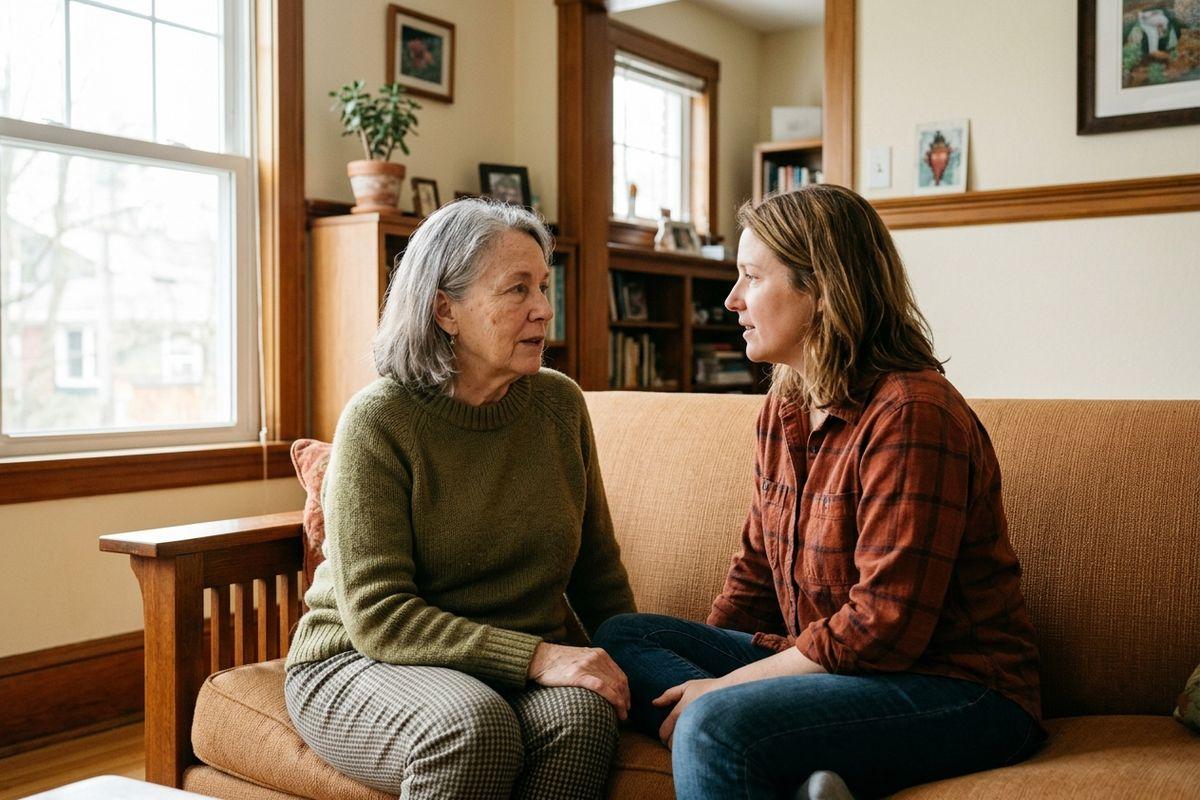
You’ve answered the question three times. You’ve checked the appointment, confirmed the plan, and explained that everything is okay. But your loved one is still worried. Anxiety doesn’t always respond to facts, and repeating the same reassurance can leave both of you frustrated.
Learning how to calm an older adult with anxiety often starts with slowing things down. A steady voice, acknowledgment of what they’re feeling, and one simple thing to focus on can make the moment easier to manage. Grounding techniques and familiar daily routines can also give your loved one more predictability when worry starts to take over, and for older adults at any stage in life, that can be incredibly valuable.
What Anxiety Can Look Like in Older Adults
Anxiety isn’t always easy to recognize. Sometimes it sounds like worry, but it can also change how someone sleeps, spends their time, or responds to everyday situations. Anxiety creates many unique symptoms, and learning to recognize them is the first step towards getting your loved one the care they deserve.
You might notice:
- Asking the same worried question or seeking reassurance repeatedly
- Canceling plans or pulling away from people and activities they usually like
- Pacing, restlessness, irritability, or difficulty sitting still
- Trouble falling asleep or staying asleep because their mind won’t settle
- Physical tension, a racing heart, or other signs that they feel on edge
- Repeatedly checking things, such as whether a door is locked or an appliance is off
Low mood can sometimes appear alongside anxiety, too. Changes in appetite, energy, concentration, or interest in familiar hobbies can all tell you that something has shifted from your loved one’s usual routine.
What Can Trigger Anxiety Later in Life?
Sometimes a pattern emerges once you look at what happens before the worry starts. A major change can be an obvious trigger, but smaller disruptions to a familiar day can matter as well.
Common triggers of anxiety in seniors can include:
- Losing someone close or seeing an important relationship change
- Changes in health, mobility, or the ability to complete familiar tasks
- Moving or adjusting to a new environment
- Poor or interrupted sleep
- Changes to medications or established daily routines
- Drinking too much caffeine, especially later in the day
You don’t need to find a neat explanation for every anxious moment. But noticing patterns can help you anticipate situations that tend to bring on worry and respond with a little more preparation.
How to Calm an Older Adult With Anxiety
When someone is anxious, more information isn’t always the answer. Long explanations, rapid questions, or repeated attempts to prove that everything is fine can add more noise to an already stressful moment. Give your loved one enough time to hear you, respond, and settle into whatever comes next.
Start With a Calm, Steady Voice
Your calm is contagious. Slow your words, lower your volume a notch, and let your tone stay even. Your loved one will likely pick up on the pace of your words before comprehending the words, and that’s invaluable.
Acknowledge What They’re Feeling
“There’s nothing to worry about” sounds reassuring, but it can miss what your loved one is trying to tell you. Try responding to the emotion instead: “I can tell this is worrying you.” You don’t have to agree that something bad will happen to show that you’ve heard them. Once they feel heard, you can gently shift toward what might help right now.
Offer One or Two Simple Choices
Anxiety can make an ordinary decision feel like a lot. Instead of asking what your loved one wants to do, narrow it down to two manageable options, such as sitting somewhere quieter or taking a short walk. Keep the choice simple and give them time to answer.
Try the 3-3-3 Grounding Technique
The 3-3-3 technique gives an anxious mind something concrete to focus on. Ask your loved one to name three things they can see, three things they can hear, and three parts of their body they can move.
Everyday Ways to Reduce Anxiety in Older Adults
What happens between anxious moments matters, too. Familiar routines can make the day easier to anticipate, while movement, connection, and quieter evenings create natural opportunities to reset.
Keep a Consistent Daily Routine
Familiarity takes some of the guesswork out of the day. Meals, morning routines, appointments, and bedtime don’t need to happen at the exact same minute. A recognizable rhythm can make what comes next easier to anticipate. And when plans need to change, a simple heads-up can make the transition less jarring.
Make Time for Physical Activity
Movement doesn’t need to mean a formal workout. A walk after breakfast, some time in the garden, or a few minutes outside can provide a change of scenery while keeping the activity familiar.
Stay Connected With Familiar People
Sometimes the best person to talk to is simply someone your loved one trusts. A friend, relative, neighbor, faith leader, or familiar group can offer companionship without making every conversation about anxiety. Talking may also bring a practical worry to the surface, such as an appointment, transportation, or a bill you can help sort out.
Create a Calmer Bedtime Routine
Worry has a habit of getting louder when the day gets quiet. A familiar bedtime routine can give the evening a softer landing instead of carrying the day’s stimulation straight into bed. It doesn’t need to be elaborate, either, as a few familiar steps can mark the transition from daytime to rest.
Helping an Older Loved One Manage Anxiety
You don’t have to solve every worry to help an older loved one through an anxious moment. Slow down, listen to what they’re telling you, acknowledge the feeling, and give them one manageable thing to focus on. Familiar routines and everyday connection can reinforce that same sense of steadiness throughout the day.
At Juniper Village at Louisville, we believe daily life should leave room for connection, choice, and the routines that make people feel at home. Our community brings people together while giving each community member space to follow their own interests and rhythms. Schedule a tour of Juniper Village at Louisville today to see what daily life in our community can look like.