

Key Takeaways
- Person-centered care focuses on the whole person, not just a diagnosis
- Your loved one’s life history, preferences, and daily rhythms shape their care plan
- Familiar surroundings and meaningful activities support emotional well-being
- Care adapts as needs evolve, with independence encouraged at every stage
- Families can stay connected, informed, and genuinely involved
Care That Sees the Whole Person
When a loved one is living with memory challenges, it can feel like the diagnosis takes center stage. Appointments, routines, and checklists pile up, and somewhere in the middle of it all, the person you know and love can get lost in the shuffle.
That gap between medical management and genuine connection is exactly what person-centered care is designed to close.
Person-centered care in memory support means building everything around who someone is, not just what they need medically. It’s rooted in dignity, respect, and a deep appreciation for individual identity.
Instead of one-size-fits-all routines, care is shaped by the stories, rhythms, and preferences that make each person uniquely themselves.
What Makes Person-Centered Care Different
Knowing the Person Behind the Diagnosis
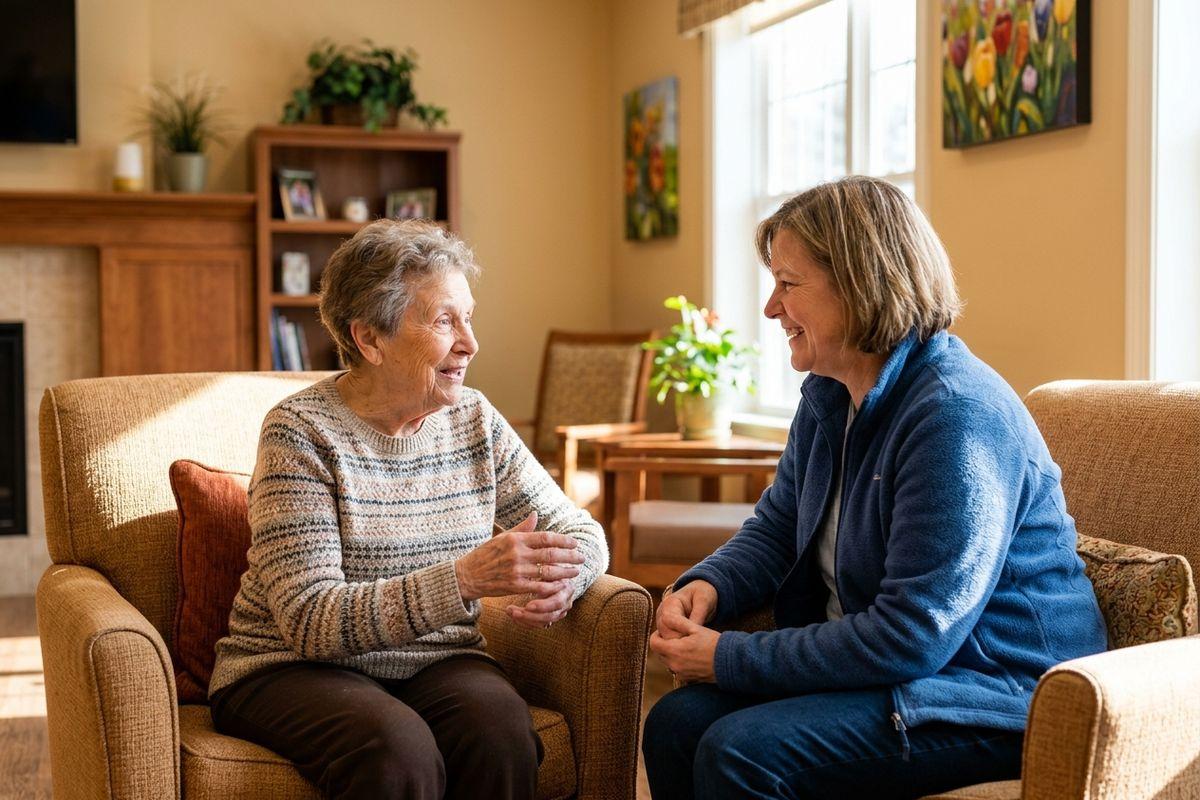
Compassionate memory care starts with a simple question: who is this person? That means learning their life history, their favorite music, what makes them laugh, and how they like to start their morning.
A care plan built on that kind of knowledge looks completely different from one built only around symptoms.
When a care team knows that someone spent decades gardening or teaching school, they can weave those threads into everyday life.
That recognition, of being truly seen and known, can make even small moments feel grounding and joyful. It’s the difference between receiving care and feeling at home.
A Space That Feels Like Home
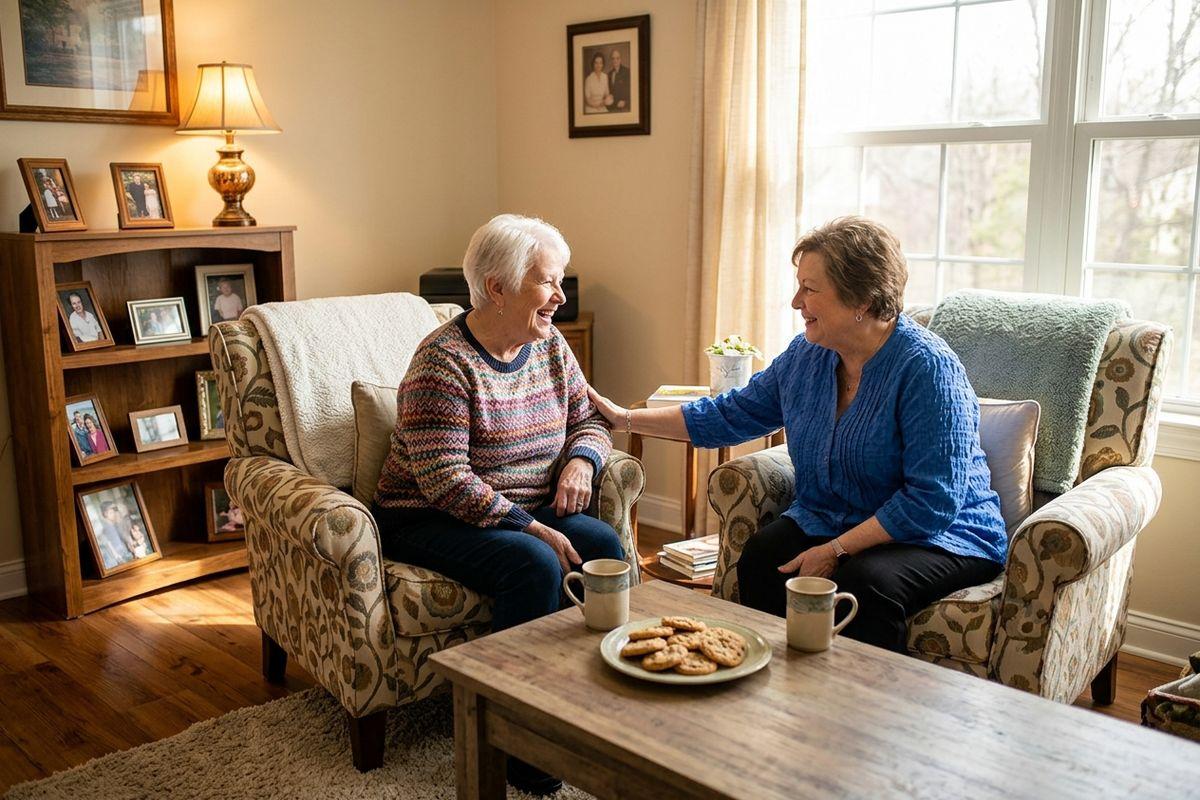
For someone living with dementia, a room is never just a room—it’s an emotional landscape. Sensory details play a profound role in how safe and grounded a person feels throughout the day.
Whether it’s morning sunlight filling a quiet armchair, familiar tunes playing in the background, or the welcoming scent of a favorite meal, these subtle touches can provide immediate comfort when words or memory falter.
When a living space is curated to reflect an individual’s personal story, it helps reduce confusion and invites genuine connection.
Surrounding your loved one with their favorite things, sights, smells, and touches can serve as a gentle daily reminder that they are known, respected, and right where they belong.
How Personalized Care Supports Daily Life
Activities That Actually Mean Something
Generic activity calendars don’t spark joy for everyone. When programs are tied to someone’s actual passions, past hobbies, and personal history, they carry real meaning.
A former musician playing familiar chords, a retired teacher helping with a group project—these aren’t just activities. They’re moments of purpose.
That sense of purpose feeds emotional well-being in a way that schedules alone never can. Staying engaged with meaningful activities can support emotional health and a stronger sense of self.
When your loved one engages with something that reflects who they are, they’re not just passing time. They’re living it.
Flexibility as Needs Change Over Time
Memory challenges don’t follow a fixed script, and neither should care. A person-centered approach means the plan adapts as the journey evolves, without stripping away independence.
If someone can choose what to wear, what to eat for breakfast, or how to spend a slow afternoon, those choices matter enormously. Encouraging independence at every stage, even in small ways, helps keep dignity intact.
Care that flexes with a person rather than pushing them through a rigid structure can make each day feel more like their own.
Exploring nonpharmacological approaches in memory care, like pet therapy or music therapy, emphasizes connections and supports this kind of flexibility.
Why This Matters for Families, Too
When a care team truly knows your loved one, the relationship between families and caregivers becomes something real.
You’re not handing someone off to strangers. You’re joining a team that’s as invested in the details as you are. That connection makes a meaningful difference in how supported families feel day to day.
Staying involved doesn’t have to mean managing logistics. It can mean sharing a memory over a video call, joining an activity, or simply knowing that when you visit, your loved one will have positive experiences to share with you.
Person-centered care helps keep conversations alive and relationships strong. Families who feel informed and genuinely included tend to feel more at ease, and so do their loved ones.
If you’re navigating this transition, these strategies for supporting a parent with memory loss can help guide the way.
What to Look for in a Memory Care Community
Not every memory care community approaches things the same way. When you’re exploring options, look for communities where personalized well-being plans replace standard checklists.
Ask how staff learn each person’s story, and how that knowledge actually shapes day-to-day interactions.
A vibrant social environment built on real relationships is another strong sign. Look for genuine warmth, a calendar that reflects actual interests, and a team that talks about residents by name and by story, not by room number. The details reveal a lot.
A Place Where Your Story Comes First
Juniper Village at Louisville approaches person-centered memory care as a meaningful part of every single day, learning what brings each person joy, adapting as things change, and keeping connection at the center of everything.
If you’re starting to explore memory care options near Louisville or Boulder, you deserve a community that sees the full picture of who your loved one is. Reach out to learn more about what life at Juniper can look like.